
10 tips on interview clothes
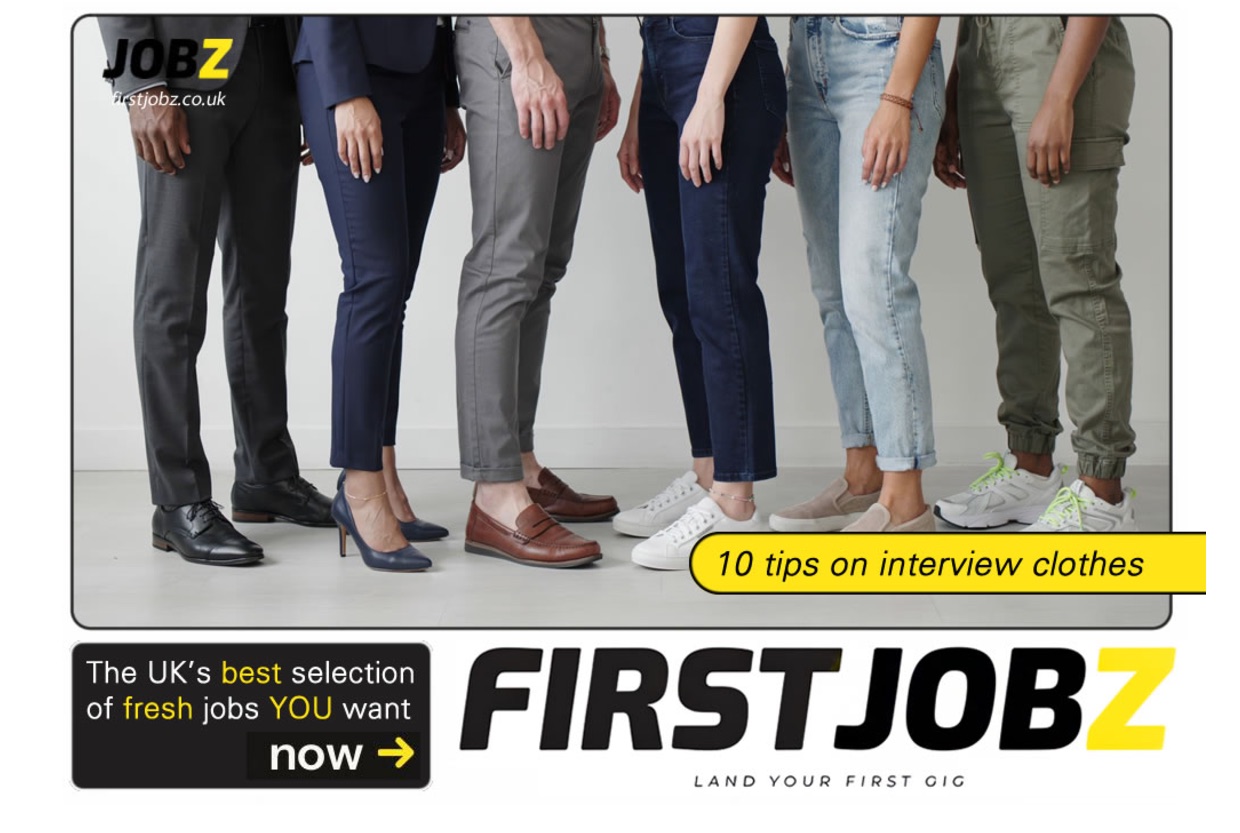
You've landed the interview and prepared your answers. Then comes the question that eats the night before: what on earth do I wear?
Take the pressure off. Nobody hands out jobs for dressing well, but people do lose them by getting it badly wrong - and the difference between the two is mostly research rather than money. You don't need a suit, a stylist or a shopping spree.
You need an outfit that says "I understood the assignment" and then gets out of the way so the real you can do the talking. Here are ten tips that manage exactly that: five for choosing the outfit and five for the details that get noticed on the day.
1. Find out what they actually wear
The single most useful thing you can do costs nothing: find out what people at this workplace wear on a normal Tuesday. Check the team photos on their website and socials. Look at what staff have on in the background of their Instagram stories. If it's a shop or café, the recon visit we recommended in our interview guide pays off twice, because while you're watching how the place runs you can also clock the uniforms, the trainers, the general vibe of the people behind the counter.
This matters because "smart" means completely different things at a bank, a barber's and a bubble tea shop. Guessing gets candidates into trouble in both directions. The goal isn't to look impressive in some abstract way. It's to look like someone who already fits, because an interviewer who can picture you in the team is halfway to hiring you.
2. Aim one notch above the everyday
Once you know their normal, the maths is simple: dress one notch smarter than the people already doing the job. Staff in branded t-shirts and jeans? You wear a plain shirt or a neat top with clean dark jeans or chinos. Staff in shirts? Add a jumper or a blazer. Office in full business wear? That's the rare case where proper formal is the right call.
One notch, not five. Turning up to a skate shop in a three-piece suit doesn't read as respectful. It reads as someone who never once looked at the place. If you have to err, slightly overdressed beats slightly underdressed every time, but the sweet spot says something quite specific: I made an effort for you and I understand where I am. That's the whole message an outfit needs to send.
3. Fit beats the label every time
Here's the money-saving truth at the centre of this guide: nobody in that room can tell where your clothes came from, but everyone can tell whether they fit. A plain supermarket shirt that sits properly on your shoulders beats an expensive one that swamps you. Clean, fitted and ironed is the entire brief. Everything else is decoration.
So shop your own wardrobe first, then borrow. Parents, older siblings and mates all have interview-grade clothes going spare and asking is completely normal. Charity shops are full of barely worn smart stuff at pocket-money prices. If you buy one new thing, make it earn its keep: a plain shirt or top in white, navy or black will carry you through every interview you sit this year. Nobody expects an eighteen-year-old in tailoring. They expect effort. And effort is free.
4. Choose comfort you can forget
An interview outfit has one job beyond looking right: disappearing from your mind the moment you sit down. If the collar strangles, the waistband digs or the shoes pinch, part of your brain spends the whole interview managing fabric instead of forming answers. The interviewer can't see the discomfort but they can absolutely see the fidgeting it causes.
The rule is simple: nothing brand new on the day. New shoes blister, new shirts itch and new trousers reveal their design flaws at the worst possible moment. Wear everything at least once and dress for the room rather than the mirror,
5. Rehearse the outfit like an answer
You rehearsed your answers out loud. Give the outfit the same treatment. A few days before, put the entire thing on: shoes, layers, bag, everything. Sit in a chair. Climb a flight of stairs. Lean forward as if you're shaking hands across a table. Clothes behave differently in motion and you want the surprises now, not in reception.
Then, the night before, lay it all out ready to go: outfit ironed, shoes wiped, bag packed with your notes card. Morning-of decisions are where the wheels come off, because a missing button discovered at 8am becomes a panic that walks into the room with you. Decide once, decide early, then stop thinking about it. That calm is the entire point of the exercise.
Outfit sorted. Now for the small stuff, which in interviews is never actually small - the details people clock in the first ten seconds and the day-of logistics that protect all your good work.
6. Let your shoes do some talking
It's a cliché that interviewers look at shoes. It stays a cliché because it keeps being true. Shoes are where effort shows or doesn't: a clean pair of plain trainers can pass almost anywhere these days, while scuffed battered ones quietly undo a good outfit from the ankles up. Two minutes with a wipe the night before is the best-value grooming on this entire list.
The same goes for the rest of the first-glance scan. Tidy hair, clean nails, fresh breath - a mint on the way in, never gum through the door. None of it costs money. All of it gets registered somewhere in the interviewer's impression of you, usually without them ever noticing they've done it.
7. One statement at a time
You don't have to sand off your personality to get hired - a workplace taking you on is taking you on, not a mannequin. But an interview outfit works best when one thing speaks and everything else stays quiet. Love your rings? Wear two, not ten. Proud of the trainers? Let them be the statement and keep the rest plain.
Fragrance follows the same rule, dialled even lower. Interview rooms are small and warm, so go light or go without. You want them remembering your answers, not your aftershave. If you're unsure about any single item, take it off and see whether you miss it. Curated isn't the same as boring. It just means every choice on show looks deliberate.
8. Beat the weather and the journey
British weather has ruined more interview outfits than bad taste ever has. Check the forecast the night before and dress for the journey as well as the room: a layer you can shed, a small umbrella in the bag, shoes that will survive the walk from the bus stop. Arriving soaked or visibly sweating undoes an hour of ironing in about ninety seconds.
Build in decompression time too. Aim to land ten minutes early, find a mirror or use your phone camera and do the final once-over: hair, collar, nothing in the teeth. Get the coat off before you walk in so you're not wrestling with sleeves mid-handshake. Small logistics, big difference. Composed is an outfit choice as much as anything hanging in your wardrobe.
9. Dress for the camera too
Video interviews have their own dress code and "it's only a video call" is a trap. Dress fully, top to bottom, because the day you stand up to grab a charger is the day pyjama bottoms make their screen debut. Being fully dressed also does something quietly psychological: you sit differently in interview clothes, even alone in your own bedroom.
On camera, plain mid-tone colours win. Busy patterns strobe, pure white glows and head-to-toe black swallows you into the background. Check what's behind you, because a tidy wall beats an open wardrobe every time. Put your light source in front of your face rather than behind your head and raise the camera to eye level. Ten minutes of setup reads as professionalism before you've said a single word.
10. Remember the clothes aren't the candidate
Here's the reassuring truth to finish on: nobody has ever been hired for their outfit. Clothes can only do two things in an interview - remove doubts and buy you a neutral first impression. Everything after that is you: the stories you prepared, the questions you ask, the way you handle a pause without panicking.
So once you've worked through the nine tips above, give yourself full permission to stop thinking about it. You did the research, you made the effort and it shows. Walk in, sit down and let the outfit disappear, exactly as designed. The best-dressed candidate in any room is whichever one the panel remembers for their answers.
None of this takes money and none of it takes fashion sense. It takes the same thing every other part of the interview takes: ten minutes of finding out, a bit of effort and a few decisions made early so the day itself stays calm. Get the outfit right once and it becomes a system you reuse for every interview after this one. Dress like you looked, prepare like you care and let them meet the person inside the clothes.
Download this guide as a PDF ↓- Results day 2026: your options, whichever way it goes →
- The parents' guide to results day: how to be exactly what they need →
- GCSE results day 2026: your options, whichever way it goes →
- The parents' guide to GCSE results day: what to say and when →
- Want to know our 10 tips for landing your first job? →
- Want to know our 10 tips for fantastic interviews? →
- Want to know our 10 tips on relaxation? →