
Apprenticeships for young people: guides, pay and how to get in
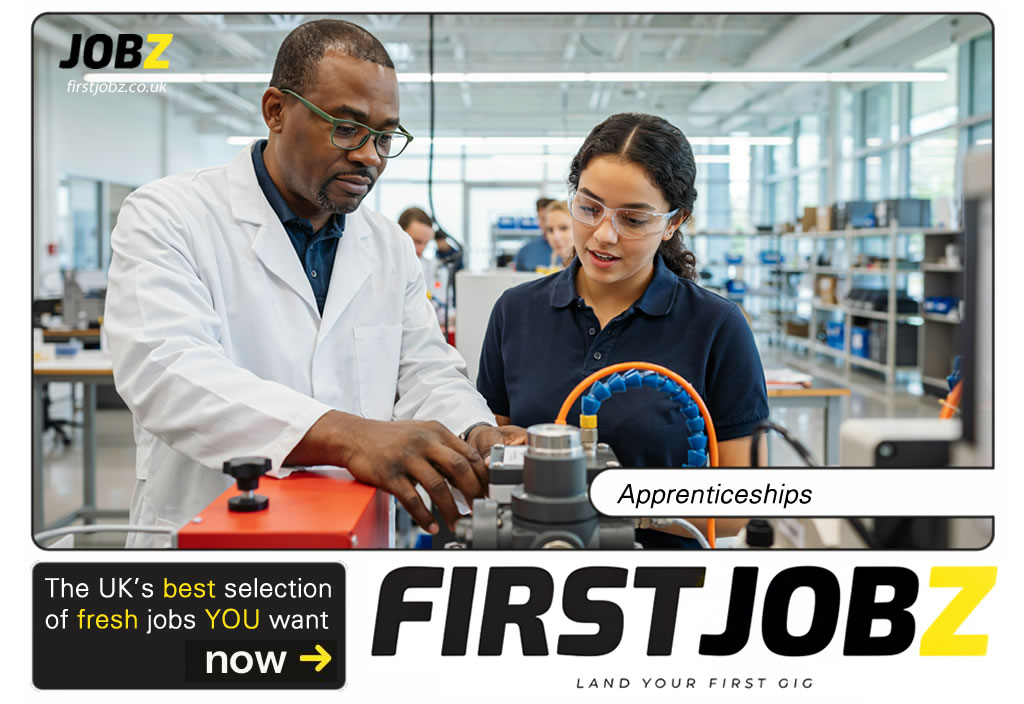
An apprenticeship is a job. That one sentence clears up most of the confusion. Not work experience, not a course with a bit of work bolted on, not the fallback for people who didn't fancy sixth form. You're an employee from day one, on the payroll with holiday pay, building a CV while other people are still writing essays about the thing you're actually doing. At least a fifth of your paid hours go on training rather than the day job, because the rules say so. You get paid for those hours too.
It's proper work, mind. You'll have a manager, a rota and colleagues who've been doing it since before you were born. You'll also have coursework, a training provider and someone assessing whether you're keeping up. Two things stacked into one, which is exactly why it suits people who learn by doing rather than by reading about doing. The trade is real: you earn less at the start than someone who walked straight into a full-time job, then you come out the other side qualified, experienced and without the debt. Levels run from roughly GCSE standard all the way to a master's degree, so there's a door here whatever your grades looked like.
The seven guides below cover the whole journey, from working out which level fits to your first day on the tools.
How to get an apprenticeship with no experience - the pillar guide. What employers actually screen for when nobody has a track record yet, where the vacancies really are and how to apply so a person reads your name.
What do apprenticeships pay in the UK? - the apprentice rate explained properly, the first-year rule that catches people out and what to check on your payslip.
What an apprenticeship is really like day to day - a week walked through honestly, how training time actually works and who thrives on this route.
Apprenticeship CV and cover letter example for school leavers - a one-page CV skeleton you can adapt tonight, plus a worked cover letter that sounds like a human wrote it.
10 common apprenticeship interview questions (and how to answer them) - the questions employers genuinely ask, what each one is testing and how to build answers that hold up when you're nervous.
Apprenticeships you can start at 16 (and what changes at 18) - what's open before your eighteenth birthday, the hours rules in plain English and how the picture widens once you turn 18.
Which apprenticeship level is right for you? - intermediate, advanced, higher and degree compared honestly, so you pick the one that fits rather than the one that sounds biggest.
Whichever guide you open first, the vacancies themselves are already out there. Our board refreshes itself around the clock with apprenticeships from employers across the UK, plenty of them happy to train someone with no history at all. Reading prepares you. Applying while an advert is still fresh is what gets you the interview, because good apprenticeships close when they're full rather than when the deadline says. When you're ready, browse live apprenticeship jobs and put your name in front of someone today.